
Spinal decompression in Austin involves non-invasive therapy to relieve back and neck pain. This treatment gently separates the vertebrae, reducing pressure on the spinal nerves. It's a safe, effective alternative to surgery, with most sessions lasting one to two days. Many patients experience significant pain relief and improved mobility after just a few treatments.
Key Takeaways
- Spinal Decompression Austin offers a non-surgical treatment for back pain, focusing on gentle adjustments to align the spine.
- This technique can reduce pressure on nerves, alleviating pain and improving mobility for many patients.
- The process typically involves a series of controlled stretches over one to two days, depending on the individual's needs.
- Safety is paramount; patients are closely monitored during treatment to ensure comfort and minimize any potential risks.
- Seeking professional guidance from a qualified practitioner is crucial for determining if spinal decompression is the right choice.
- Austin residents have access to specialized clinics offering state-of-the-art equipment for safe and effective decompression therapy.
Spinal Decompression Austin is a growing solution for residents dealing with chronic back pain, herniated discs, and spinal stenosis. The problem lies in the fact that traditional treatments often fail to provide lasting relief, leaving many desperate for an effective alternative. Spinal Decompression Austin offers a non-surgical, conservative approach to address these conditions by gently stretching and decompressing the spine, reducing pressure on nerves and allowing for faster healing. This innovative therapy has garnered positive testimonials from happy patients, further validating its efficacy. By engaging with the community through local fitness centers and back health awareness events, Spinal Decompression Austin is making a tangible impact on the well-being of its citizens.
- Understanding Spinal Decompression Therapy in Austin
- The Process: Step-by-Step Guide to Decompression
- Benefits and Recovery: What to Expect in Austin
Understanding Spinal Decompression Therapy in Austin
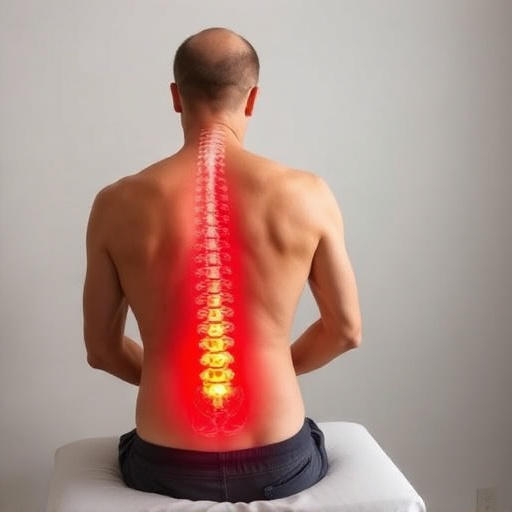
Spinal Decompression Austin offers a targeted, minimally invasive approach to managing various spinal conditions. This therapy is particularly effective for conditions such as herniated discs, spinal stenosis, and chronic back pain. The process involves gently stretching and decompressing the spine to relieve pressure on nerves, allowing for healing and reduced inflammation. What sets this therapy apart is its ability to target specific areas without the need for extensive surgery.
When considering Spinal Decompression Austin, it's crucial to understand what problems it aims to address and what it doesn't. While it's an excellent option for conservative treatment, it's not a universal solution. Conditions requiring urgent surgical intervention, severe spinal cord compression, or advanced degenerative changes might need different approaches. Minimally invasive spinal decompression surgery is a more extensive procedure, often considered when conservative methods fail. The key is to consult with experts like those at Austin Spine & Sport Clinic or Decompress Medical Center to determine the most suitable treatment plan.
The effectiveness of this therapy lies in its ability to promote natural healing. By reducing intradiscal pressure, it facilitates the flow of nutrients and oxygen to the affected areas, which can lead to significant pain relief for many patients. Happy Patients of Austin and testimonials from back pain sufferers highlight the positive outcomes, but it's essential to manage expectations. While spinal decompression therapy is often successful, individual results can vary based on the severity of the condition and patient-specific factors. The best approach is to approach the therapy with realism and a commitment to supporting the healing process.
The Process: Step-by-Step Guide to Decompression

The process of spinal decompression in Austin involves a series of precise, controlled movements designed to relieve pressure on the spine and associated structures. It's a non-surgical treatment that aims to heal herniated discs, spinal stenosis, and other spinal conditions. The procedure typically begins with a patient lying on a specialized table. The therapist then manipulates the table to extend and flex the spine in measured increments, allowing the discs to rehydrate and potentially reduce any bulging or herniation. This process is carefully monitored to ensure safety and comfort throughout.
Is spinal decompression Austin worth it? For many patients, the answer is yes. Happy patients of Austin report significant relief from chronic back pain and improved mobility after undergoing decompression therapy. However, it's crucial to understand what problems to avoid. Improper technique or excessive manipulation can lead to discomfort or, in rare cases, injury. That's why it's essential to seek treatment from a qualified, experienced practitioner, such as those at Austin Spine & Sport Clinic or Decompress Medical Center. They will assess your condition and determine if spinal decompression Austin is the right approach for you.
The success of the treatment depends on various factors, including the severity of the condition, the patient's age, and their overall health. While spinal decompression therapy is often effective, does it really work? The evidence is promising. However, it's not a one-size-fits-all solution. Some patients may not experience the same level of relief, and follow-up treatments might be necessary. Always discuss your expectations and potential outcomes with your healthcare provider before undergoing spinal decompression Austin.
Benefits and Recovery: What to Expect in Austin

When considering spinal decompression Austin, understanding the benefits and recovery process is crucial. This minimally invasive spinal decompression surgery aims to alleviate pain and improve mobility by gently stretching the spine to relieve pressure on nerves. Many patients in Austin have found relief from conditions such as herniated discs, spinal stenosis, and chronic back pain.
The recovery from spinal decompression therapy can vary, but most patients in Austin experience significant improvements within a few days to a week. The procedure is designed to be quick, often taking just one to two days for most installations. After the procedure, patients are typically advised to rest and avoid strenuous activities for a short period. This allows the spine to heal and adjust, reducing the risk of complications. While spinal decompression Austin is generally safe and effective, there are potential problems to avoid. Some patients may experience temporary discomfort or minor side effects, but severe complications are rare.
One key question patients often ask is, "Does spinal decompression therapy really work? Research has indicated that spinal decompression can successfully reduce the size of herniated discs in the majority of cases. However, it's essential to consult with a qualified healthcare provider to determine if spinal decompression Austin is the right choice for your specific condition. They can offer personalized advice based on your medical history and current health status. By following the recommended recovery plan and attending regular check-ups, you can maximize the benefits of spinal decompression therapy.
Frequently Asked Questions About Spinal Decompression Austin
What is spinal decompression? Spinal decompression is a non-surgical treatment that relieves pressure on the spinal nerves by gently pulling the spine apart. This process can help to reduce pain and improve mobility in cases of spinal stenosis, herniated discs, or other spinal conditions.
How does it work? The decompression table adjusts the spacing between the vertebrae, creating more room for the spinal nerves. This can help to relieve pressure on the nerves, reduce inflammation, and promote the body's natural healing process.
Is spinal decompression safe? Yes, when performed by a qualified healthcare professional, spinal decompression is generally considered safe. It is a non-invasive procedure with minimal side effects, although some patients may experience temporary discomfort or mild headaches during treatment.
How long does a session last? Spinal decompression sessions typically last between 30 minutes to an hour. The exact duration depends on the specific condition being treated and the level of decompression required.
How many sessions are needed? The number of sessions required varies from person to person. Some patients may only need a few sessions, while others may require a series of 10 to 20 treatments for optimal results. A healthcare provider will determine the appropriate number of sessions based on an individual's condition.
Does insurance cover spinal decompression? Some insurance plans may cover spinal decompression, but coverage varies. Patients should check with their insurance provider to confirm if their plan includes this treatment.
Can spinal decompression help with back pain? Yes, spinal decompression can be effective in treating back pain caused by conditions such as spinal stenosis, herniated discs, and facet joint pain. It helps to reduce pressure on the nerves, improving blood flow and promoting healing.
Spinal Decompression Austin offers a promising solution for individuals facing chronic back pain, herniated discs, or spinal stenosis. By understanding the step-by-step process and its benefits, patients can make informed decisions about their treatment. The therapy has proven effective, with many happy patients in Austin attesting to its success. For those considering Spinal Decompression Austin, the next step is to consult with a specialized clinic, like Austin Spine & Sport Clinic or Decompress Medical Center, to determine if this non-invasive treatment is suitable for their specific condition. Engaging with local fitness centers and attending back health awareness events can further educate and empower individuals to take control of their spinal health.