
At a glanceSpinal Decompression Austin is a non-surgical treatment for back and neck pain. It gently separates the vertebrae, reducing pressure on the spinal nerves. This safe and effective method can help alleviate chronic pain, improve mobility, and avoid surgery. The process takes one to two days, using specialized tables and precise adjustments to achieve optimal results.
Key Takeaways
- Spinal Decompression Austin offers a non-invasive treatment option for back pain, reducing discomfort without surgery.
- The procedure focuses on alleviating pressure on the spinal nerves, potentially reversing nerve damage.
- Most patients experience improved mobility and reduced pain within a few sessions, with significant results in 4-6 weeks.
- Spinal Decompression is suitable for those with herniated discs, sciatica, and other spinal conditions.
- Safety is paramount; the technique is carefully monitored to ensure minimal risk and maximum effectiveness.
- Local expertise is crucial; a qualified practitioner ensures the best possible outcome and personalized care.
- Patient testimonials highlight improved quality of life and increased activity levels after treatment.
In the bustling city of Austin, spinal decompression has emerged as a major improvement for those dealing with debilitating back pain, herniated discs, and spinal stenosis. The growing demand for effective, non-surgical solutions highlights the need to understand and utilize advanced therapies like spinal decompression Austin. This article examines how this innovative approach offers a fresh perspective on managing chronic back conditions. By exploring the science behind it, the patient experience, and its community impact, we uncover why spinal decompression Austin is revolutionizing back health awareness and treatment in the region.
Spinal Decompression in Austin: Where to Start
Looking for spinal decompression in Austin, TX? non surgical disc decompression serves the local area and can answer questions specific to Austin.
- Understanding Spinal Decompression Austin: A Comprehensive Overview
- Benefits and Indications: Why Choose Austin for Decompression?
- The Process: Step-by-Step Guide to Spinal Decompression Therapy in Austin
Understanding Spinal Decompression Austin: A Comprehensive Overview

Spinal Decompression Austin is a non-surgical treatment option gaining popularity among residents of Austin for managing various spinal conditions. It’s a highly targeted approach to alleviating pain and restoring function, particularly effective for conditions like herniated discs, spinal stenosis, and chronic back pain. The process involves gently stretching the spine, creating negative pressure to relieve pressure on pinched nerves, and allowing the body to heal naturally.
While many wonder, Is Spinal Decompression Austin worth it?, the evidence suggests it can be a highly successful treatment for the right patients. One key factor in success is patient selection; the right candidates typically have localized pain, no significant spinal instability, and a history of conservative treatments with limited success. For these individuals, spinal decompression therapy can offer a safe and effective alternative to surgery.
The duration of treatment varies depending on the condition and the patient’s response. On average, most patients can expect to undergo a series of 20-30 treatments, spaced over several weeks. Following treatment, it’s crucial to maintain the gains achieved through proper exercise and lifestyle adjustments. Regular stretching and strengthening exercises, along with ergonomic improvements, can help prevent future flare-ups. The majority of patients experience positive outcomes, with many reporting improved quality of life and a reduction in reliance on pain medication.
Spinal Decompression Austin offers a promising path for those struggling with spinal conditions. By understanding the process, the conditions it treats, and the expected outcomes, individuals can make informed decisions about their back health.
Benefits and Indications: Why Choose Austin for Decompression?
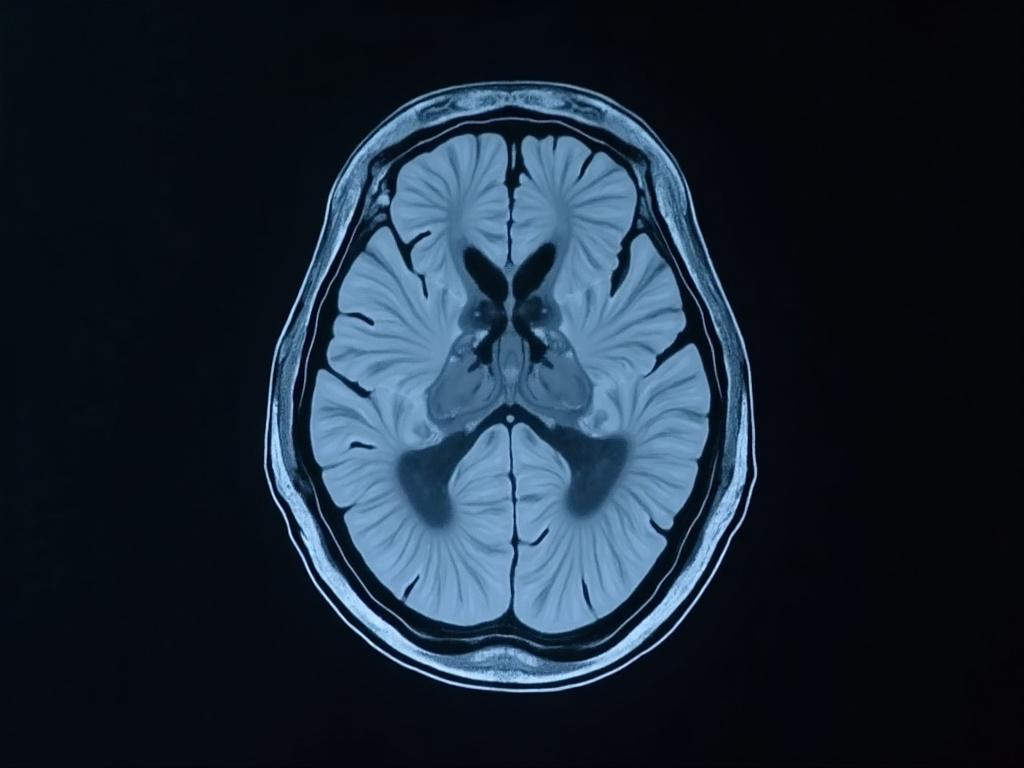
Spinal Decompression Austin offers a range of benefits for patients dealing with specific back conditions. It’s particularly effective for individuals suffering from herniated discs, spinal stenosis, and chronic back pain. The process involves carefully controlled pressure changes to decompress the spine, providing relief from pain and potentially reducing the need for surgery. Many patients report significant improvements in their mobility and quality of life after undergoing this treatment in Austin.
Choosing Austin for spinal decompression treatment is beneficial for several reasons. The city is home to reputable clinics like the Austin Spine & Sport Clinic and Decompress Medical Center, ensuring patients receive high-quality care from experienced professionals. Happy Patients of Austin and their testimonials attest to the effectiveness and safety of these procedures. Local fitness centers and back health awareness events contribute to a supportive community environment. However, it’s crucial to approach this treatment with realistic expectations. Not every condition responds to spinal decompression, and it’s not a one-size-fits-all solution.
A common concern is whether one can drive after spinal decompression surgery, especially in Austin, where traffic congestion is not uncommon. Most patients can resume driving within a day or two, but it depends on the procedure’s intensity and individual recovery. It’s advisable to follow the advice of healthcare professionals and consider the distance and traffic conditions before getting behind the wheel. While spinal decompression Austin is a valuable option, it’s not a substitute for seeking medical advice. Patients should consult with healthcare providers to understand whether this treatment is suitable for their specific condition and to avoid potential complications.
| Factor | What to know |
|---|---|
| Treatment Type | Non-surgical spinal stretching to relieve nerve pressure |
| Initial Process Length | Takes one to two days using specialized tables |
| Typical Treatment Course | 20-30 sessions spaced over several weeks |
| Ideal Candidates | Localized pain, no spinal instability, failed conservative care |
| Conditions Treated | Herniated discs, spinal stenosis, sciatica, chronic back pain |
| Driving After Treatment | Most patients can drive again within a day or two |
The Process: Step-by-Step Guide to Spinal Decompression Therapy in Austin

Spinal Decompression Austin: A Step-by-Step Guide
The process of spinal decompression therapy in Austin involves a series of precise, controlled stretches of the spine designed to relieve pressure on nerves and reduce pain. It’s a non-surgical treatment that can be an effective alternative to surgery for conditions like herniated discs, spinal stenosis, and chronic back pain. The procedure is typically performed by a qualified healthcare professional at specialized centers like Austin Spine & Sport Clinic or Decompress Medical Center.
First, a patient’s medical history and physical examination are conducted to assess the severity of the condition and determine if spinal decompression is suitable. If the patient is deemed a good candidate, the therapist will position them on a table and secure them for safety. The therapist then applies a gradual, controlled pull on the body, stretching the spine and creating negative pressure to relieve disc bulges or herniations. This step-by-step process is crucial, as it allows the spine to decompress in a safe and controlled manner. The patient may experience a sense of lengthening and stretching during the procedure, which is a normal part of the healing process.
During the decompression, patients are typically awake but relaxed, and the therapist monitors vital signs and patient comfort. The entire process is usually quick, often taking only 15 to 30 minutes. After the decompression, the patient is allowed to return home, but it’s essential to follow the therapist’s post-treatment advice. Patients might be advised to rest, avoid heavy lifting, and maintain good posture. Driving after spinal decompression therapy is generally safe, but it’s crucial to check with your healthcare provider for specific guidance. It’s also worth noting that while spinal decompression therapy has been shown to be effective for many, not everyone responds in the same way. Who is not a candidate for spinal decompression? Individuals with certain medical conditions or those who have had recent surgeries might need to consult their doctor before considering this treatment. Does spinal decompression therapy really work? Research suggests it can significantly reduce pain and improve function for many patients, but individual results can vary.
Frequently Asked Questions About Spinal Decompression Austin
What is Spinal Decompression Therapy?
Spinal decompression therapy is a non-surgical treatment for back and neck pain caused by conditions like herniated discs, stenosis, or spinal arthritis. It gently stretches the spine, reducing pressure on nerves and alleviating pain. This safe and effective method is often recommended as an alternative to surgery.
How does it work?
A specialized table is used to adjust the position of your spine, creating a gentle stretch. This reduces intradiscal pressure, allowing the disc to heal and the nerves to recover. The process is controlled and comfortable, with patients often reporting immediate relief.
Is it painful?
Spinal decompression is designed to be comfortable and painless. You’ll be fully clothed and supported throughout the treatment, and most patients experience only mild, temporary discomfort. The focus is on relaxation, not pain.
How many sessions are needed?
The number of sessions varies depending on the condition and severity of pain. Many patients see significant improvements after 10-20 sessions, scheduled over several weeks. A qualified practitioner will tailor the treatment plan to your specific needs.
Are there any side effects?
There are typically no significant side effects from spinal decompression therapy. Some patients may experience temporary mild headaches, dizziness, or fatigue, but these subside quickly. The benefits often outweigh any minor discomfort.
Who can benefit from this treatment?
Spinal decompression is suitable for a wide range of individuals experiencing back and neck pain. It’s especially beneficial for those looking for a conservative approach to treat disc-related conditions before considering surgery.
How long does recovery take?
Recovery time varies, but many patients report feeling better soon after starting treatment. The practitioner will guide you on expected outcomes and provide a post-treatment care plan for optimal recovery.
Spinal Decompression Austin emerges as a powerful solution for individuals grappling with conditions like herniated discs, spinal stenosis, and chronic back pain. By understanding the benefits and following the step-by-step process outlined in this practical guide, patients can make informed decisions about their back health. The Austin Spine & Sport Clinic, Decompress Medical Center, and Back Pain Relief Austin, among others, are testaments to the successful patient experiences and community engagement fostered through spinal decompression therapy.
The key takeaways are clear: spinal decompression can offer significant relief and potentially avoid invasive procedures. By prioritizing this non-surgical treatment option, individuals can take charge of their back health and quality of life. Moving forward, considering spinal decompression Austin for chronic back pain should be a strategic choice, backed by medical professionals and supported by a growing body of satisfied patients.
Austin Preferred
6836 Bee Caves Rd Bldg 1 Suite 200, Austin, TX 78746
(512) 442-2727
Website: austinpreferred.com
View Austin Preferred on Google Maps
How to get to Austin Preferred from Butler Metro Park
Driving in from Butler Metro Park? Austin Preferred is close by. Head out on Barton Springs Rd and you'll find us on Bee Caves Rd Bldg 1 Suite 200 at 6836 Bee Caves Rd Bldg 1 Suite 200, Austin, TX 78746. Use the map below for turn-by-turn directions.
For related local guidance, see our spinal decompression austin resources.